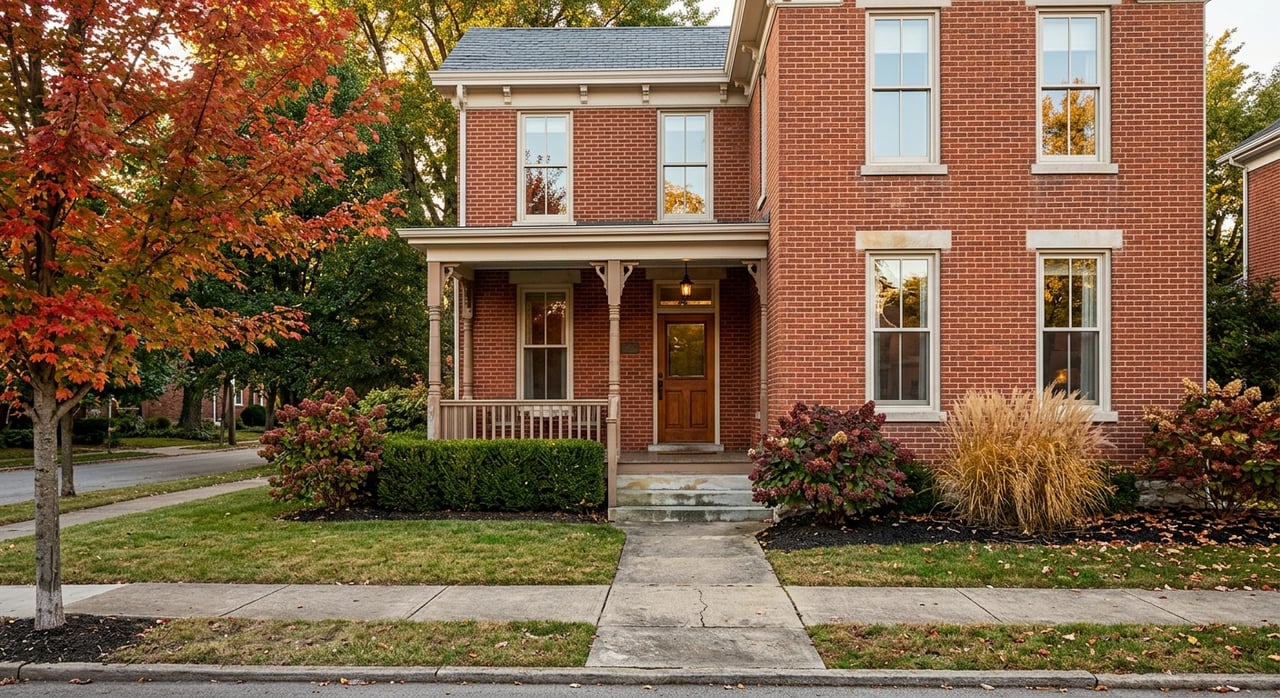
Selling a historic home in Louisville Metro can feel like walking a fine line between preservation and profit. You want to honor the home’s story, avoid surprises, and still attract the right buyer at the right price. The good news is that with the right prep, pricing, and marketing, you can do all three. Let’s dive in.
Know Your Home’s Historic Status
The first step is simple but critical: confirm exactly how your home is classified. In Louisville Metro, local preservation districts and individual landmarks carry local protections, while National Register status is honorary on its own.
That distinction matters when you sell. According to Louisville Metro’s preservation guidance, local designation can trigger review for exterior changes, demolition, and new construction, while National Register listing by itself does not restrict ownership rights.
Louisville currently lists eight local preservation districts: Butchertown, Cherokee Triangle, Chickasaw, Clifton, Limerick, Old Louisville, Parkland, and West Main Street. Some properties may also have National Register recognition, but that does not mean the rules are the same from one address to the next.
Verify District Rules Early
If your home is in a local preservation district or is an individual landmark, exterior work may need approval before it begins. Louisville Metro says owners may need a Certificate of Appropriateness or Overlay Permit for exterior changes, and unapproved work may lead to enforcement action.
This is one of the biggest issues sellers run into before listing. A repair that seems minor, like replacing windows, changing entry details, or updating siding, may fall under review depending on the property and district.
Timing matters too. The city says complete COA applications are assigned to a case manager and reviewed over about two weeks, so last-minute exterior updates can delay your listing timeline.
Not Every District Follows the Same Standards
Historic-home rules are not one-size-fits-all across Louisville Metro. The city’s standard design guidelines apply to most local preservation districts, but Clifton uses its own separate rules.
Even within the standard system, some areas may have additional nuance. That means good advice starts with the exact property address, not just the neighborhood name.
What the Guidelines Cover
Louisville’s updated 2024 design guidelines are based on the Secretary of the Interior's Standards for the Treatment of Historic Properties. They cover additions, demolition, doors and entryways, masonry, roofing, siding and trim, windows, and sustainability and energy efficiency.
Importantly, the city says these guidelines do not dictate a specific style. They are meant to set principles for compatible exterior work, which is helpful when you are deciding how to prepare your home for market.
Gather Documentation Before You List
A well-documented historic home is often easier to market and easier for buyers to understand. Your listing package should help answer common buyer questions before they become points of hesitation.
Useful records may include:
- Proof of designation status
- Approved COAs
- Renovation permits
- Contractor invoices or records
- Before-and-after photos of work completed
These items can help show what is original, what has been restored, and whether visible exterior changes were handled within the local review framework. That kind of clarity can build confidence for buyers who may be new to historic properties.
Price With Comparable Sales in Mind
Historic homes often need a more thoughtful pricing strategy than newer homes. In Jefferson County, the Property Valuation Administrator says residential property is assessed using a market or sales approach based on factors like location, lot size, square footage, age, and condition.
In the real world, the challenge is usually comparable sales. A historic home may have distinctive architecture, original details, or a setting that does not line up neatly with newer nearby homes.
According to Fannie Mae guidance on comparable sales, appraisers should use sales with similar physical and legal characteristics and generally within the prior 12 months when possible. If direct comparables are limited, older sales or similar competing properties may still be used when they are the best indicators of value and are properly explained.
Why Historic Pricing Needs Context
If your home has a distinct design or appeal, buyers and appraisers may need more context to understand its value. That is why it helps to compare your property to similar older homes, not just the newest renovated listing in the area.
Fannie Mae also requires market-condition analysis when adjustments are made. In practice, that means your pricing story should be supported by actual market evidence and a clear explanation of what makes your home comparable to other historic properties.
Market the Features Buyers Remember
Historic homes often win buyers over emotionally first, then logically. Your marketing should do both by showing the character of the property and explaining how the home functions today.
Strong staging and photography matter here. In the National Association of Realtors 2025 Profile of Home Staging, 83 percent of buyers’ agents said staging made it easier for buyers to visualize a property as a future home, and 73 percent said listing photos were very important or more important to their clients.
That is especially useful for older homes, where buyers may need help seeing how room scale, layout, and original features fit modern living. The same report found that living rooms, primary bedrooms, and kitchens matter most when staging.
Focus on Specific Historic Details
For a Louisville historic home, visual marketing should highlight the features that make the property stand out. That may include:
- Façade details
- Original or restored windows
- Porch features
- Millwork and trim
- Fireplaces
- Staircases
- Room proportions
- The relationship between the house and lot
The strongest listing story is usually factual and clear. Tell buyers what is original, what has been restored, what improvements were permitted, and what future changes may require review.
Educate Buyers Before They Ask
Historic homes can attract serious interest, but they also bring more questions. If you answer those questions early, you reduce uncertainty and help buyers make informed decisions.
One of the most important points to explain is the difference between honorary and regulatory status. The Kentucky Heritage Council’s National Register overview makes clear that National Register listing is honorary and does not itself limit what an owner can do, though local laws may still apply.
That means a buyer may have more flexibility than they assume, or less, depending on whether the property is locally designated. Clear communication here builds trust and helps your listing stand out as well-prepared.
Tax Credits May Add Buyer Appeal
In some cases, historic status may offer value beyond charm and architecture. The Kentucky Heritage Council’s owner-occupied rehabilitation tax credit page says National Register-listed properties and contributing properties in a National Register district may qualify for historic rehabilitation tax credits, with a 30 percent state credit for qualified rehabilitation expenses for owner-occupied residential property, subject to program rules.
This will not replace solid pricing or presentation, but it can be a meaningful part of your buyer education strategy. If your home may qualify, documented information can help buyers better understand long-term value.
Build a Smart Selling Plan
Selling a historic home in Louisville Metro is not about treating it like every other listing. It is about understanding the property’s designation, preparing the right documents, pricing with nuance, and marketing the home with care.
When you combine clear buyer education with elevated presentation, you give your home the best chance to stand out for the right reasons. If you are preparing to sell a historic property in Louisville or Southern Indiana, Paul Kiger can help you create a thoughtful strategy that respects the home’s history while positioning it for today’s market.
FAQs
What does local historic designation mean for selling a home in Louisville Metro?
- Local designation can require review and approval for certain exterior changes, demolition, or new construction before work begins.
What is the difference between National Register status and local historic designation?
- National Register status is honorary by itself, while local historic designation can create rules and review requirements for exterior work.
Do all historic homes in Louisville follow the same design guidelines?
- No. Most local districts use Louisville’s standard guidelines, but Clifton has its own separate design guidelines.
Should you get approval before making exterior repairs to a historic home in Louisville?
- Yes. If the home is in a local preservation district or is an individual landmark, exterior work may need prior approval through the city.
Can historic-home buyers in Kentucky qualify for tax credits?
- Potentially. Owner-occupied homes that meet National Register program requirements may qualify for state historic rehabilitation tax credits for eligible work.
Why is pricing a historic home different from pricing a newer home?
- Historic homes may have fewer direct comparable sales, so pricing and appraisal often require more context around architecture, condition, and marketability.