Thinking about a newly built home in Meade County? You have more than one path to get there, and the right choice depends on how much control, time, and site risk you want to take on. If you are comparing a move-in-ready spec home, a build in a subdivision, or raw land for a custom home, it helps to know what Meade County requires before you commit. This guide will walk you through the big decisions, the local factors that matter most, and the questions to ask before you move forward. Let’s dive in.
Compare Your Three Main Options
In Meade County, most buyers are choosing between three routes: buying a completed spec home, building in a subdivision, or buying raw land for a custom build. Each option has a different mix of speed, flexibility, and due diligence.
A completed spec home is often the fastest route because the home is already built. Your main focus is usually the property condition, financing, permit history, final inspections, and closing details.
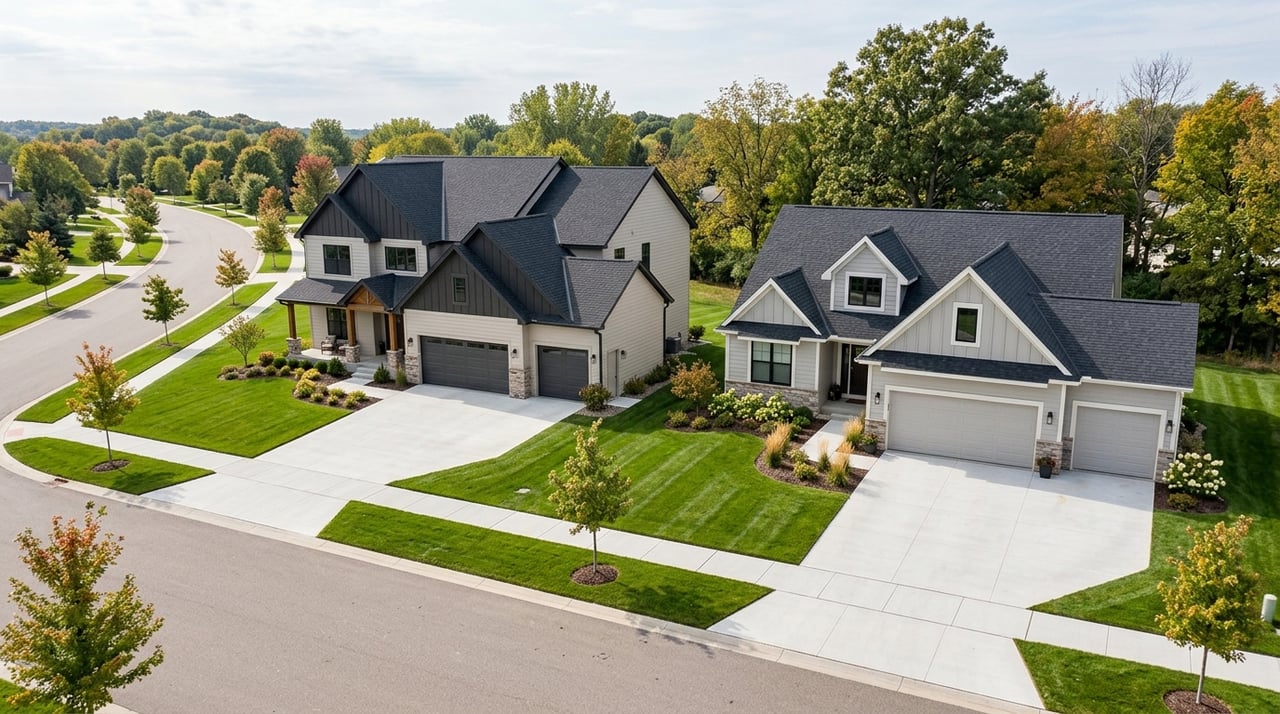
A new subdivision build gives you a newly built home with more choices, while much of the road and lot planning may already be in place. At the same time, subdivision rules can affect access, easements, utilities, and septic review.
A raw land custom build gives you the most control, but it usually comes with the most moving parts. Before construction can begin, you may need to confirm zoning, road frontage, septic or sewer, water source, floodplain status, and stormwater requirements.
When a Spec Home Makes Sense
If you want a shorter timeline and fewer land-development variables, a spec home may be the simplest fit. Even then, you should still verify permit history, final inspections, utility availability, and any builder warranty coverage.
Meade County requires permits for residential construction, and occupancy cannot occur until needed utilities are completed and available for use. That means a home being finished is not the same as a home being fully ready for occupancy.
When a Subdivision Build Fits Best
A subdivision build can work well if you want a new home but also want some infrastructure planning handled upfront. In Meade County, subdivision rules distinguish between major subdivisions, which involve a new public street or private road, and minor subdivisions, which do not.
You should review recorded plats and any subdivision restrictions carefully. The county permit packet asks for these documents, and the subdivision regulations require lots to front on an approved road.
Private-road access deserves extra attention. The county notes that lending institutions may not accept private-road access, which can affect financing even if the lot otherwise looks like a good fit.
When Raw Land Is Worth It
Buying land for a custom build can be rewarding if you want to shape the home and site from the ground up. It also means more upfront research before you know whether the lot truly works for your plans.
Meade County’s permit packet requires floor plans, a site layout, a plat or survey, the recorded deed, septic approval, and a sinkhole acknowledgement before a permit application is complete. Utility questions also become more important, especially if the parcel may need a well, septic system, or additional site work.
Focus on Site Selection First
In Meade County, site selection is one of the biggest parts of the decision. A beautiful lot is not enough on its own if zoning, frontage, utilities, or ground conditions create delays or added cost.
Because much of the county is karst terrain, sinkholes and drainage conditions are part of the local reality. The county’s floodplain rules also make floodplain review important early in the process.
Check Zoning and Lot Standards
The county permit packet lists residential lot standards used at the counter. R-1, R-2, R-3, and R-4 are shown at 0.9 acres with 125 feet of road frontage, while A-1 is 5 acres with 250 feet of frontage and A-2 is 2 acres with 200 feet of frontage.
The same packet shows R-1 as stick-built only. The zoning ordinance also states that modular homes must carry the state’s M certification seal and be inspected under the applicable residential code before a certificate of occupancy is issued.
This is one of the first checks to make when you are comparing lots. You want to confirm that the zoning matches the type of home you plan to build.
Verify Road Frontage and Access
Road access can shape both approval and financing. Meade County subdivision regulations require lots to front on an approved road, and private-road access may raise lender concerns.
If you are buying a lot outside an established neighborhood, ask whether the road is public, county-maintained, or private. That answer can affect more than convenience. It can influence financing, permitting, and your long-term use of the property.
Confirm Water, Sewer, Septic, or Well
Utility availability is parcel-specific in Meade County. In Brandenburg, the city says water is supplied by Brandenburg Water Works, sewer by the Brandenburg Wastewater Treatment Plant, electric by LG&E or Meade County RECC, and gas by LG&E.
Outside the city, you should verify whether a parcel can connect to public water through the county water district or whether it will need a private well. Sewer access should be confirmed the same way rather than assumed from nearby development.
If a site will use septic, the Lincoln Trail District Health Department handles inspections and permitting for Meade County. Its process starts with a site evaluation, includes a $300 fee, and warns that the approved area must not be disturbed by grading or heavy equipment traffic because that can void the evaluation.
For private wells, Kentucky requires a certified water well driller to do the work. The state also notes that nearby septic systems and flood-prone areas can affect well quality, and the district health department offers private water testing for wells or cisterns.
Take Sinkholes and Floodplains Seriously
Much of Meade County sits in a karst plain, so sinkholes are not a minor detail. The county permit packet requires a sinkhole acknowledgement and notes that building is not recommended within 70 feet of a sinkhole mouth.
Floodplain review matters too. If a site is in or suspected to be in a floodplain, Meade County requires a Floodplain Development Permit first through the Equalization & Planning Department.
These issues are easiest to deal with before you buy, not after. Early site review can save you time, money, and frustration.
Know the Permit Process and Timeline
New construction in Meade County comes with paperwork, but the county does provide a general timeline. The building permit packet and fee schedule were updated effective September 9, 2025.
For residential construction, the county says permit approval is estimated at 1 to 3 days and no more than 14 days, assuming the application is complete. The packet also states that permits expire after 6 months, with a free 3-month extension if filed on time.
The current residential permit fee is listed as $0.30 per square foot for single-family, modular, and manufactured homes. That makes complete documentation important, since delays often start when a file is missing required attachments.
Documents You May Need
Depending on the property and build type, Meade County may require documents such as:
- Floor plans
- Site layout
- Plat or survey
- Recorded deed
- Septic approval
- Sinkhole acknowledgement
- Recorded plat and subdivision restrictions, if applicable
If the home site is in or near a floodplain, the Floodplain Development Permit must come first. If construction will disturb one or more acres of land, state stormwater construction coverage is required before construction begins.
Understand Financing Differences
The financing side can look very different depending on whether you buy a completed home or build from scratch. A completed spec home usually follows a more familiar purchase-and-close process.
A custom build often involves a construction loan. According to the Consumer Financial Protection Bureau, construction loans are usually short-term, release funds in stages as work progresses, and may begin requiring payments 6 to 24 months after origination. Some convert to a permanent mortgage, while others require a new mortgage when the home is complete.
That difference can change your monthly cash flow and your timeline. If you are deciding between a spec home and a custom build, financing structure is a major part of the comparison.
Read the Builder Contract Carefully
With new construction, many of the biggest risks show up in the builder contract. Verbal expectations are not enough if the written agreement does not clearly explain how the project will work.
You should look for clear language around:
- Scope of work
- Code-compliance responsibilities
- Allowances and substitutions
- Change order process
- Completion timing
- Warranty or defect claim procedures
For Meade County buyers, having a Kentucky real estate attorney review the builder contract before signing is a smart step, especially if the transaction involves land purchase, septic or well work, private-road access, modular construction, or staged construction draws.
A Simple Way to Choose
If your top priority is speed, a completed spec home may give you the smoothest path. If you want a new home with some personalization but less land-development uncertainty, a subdivision build may strike the right balance.
If you want full control over the home and homesite, raw land and a custom build can be the right fit, but only if you are ready for added diligence on utilities, access, permits, and ground conditions. In Meade County, those details matter early and often.
The good news is that you do not have to sort through those questions alone. A local, consultative approach can help you compare options, spot issues before they become expensive, and move forward with more confidence.
If you are weighing whether to build or buy new in Meade County, Paul Kiger can help you evaluate properties, compare timelines, and make a more informed move.
FAQs
What is the fastest way to buy a newly built home in Meade County?
- A completed spec home is usually the fastest option because the home is already built and the main diligence is focused on condition, permits, utilities, financing, and closing details.
What should you verify before buying land in Meade County for a custom build?
- You should confirm zoning, road frontage, access type, water source, sewer or septic needs, floodplain status, sinkhole concerns, and the documents required for a county permit application.
What utilities should you check for a Meade County building lot?
- You should verify whether the parcel has access to public water and sewer or whether it will need a private well and septic system, since utility availability is parcel-specific.
What septic steps apply to a new home site in Meade County?
- If the property will use septic, the Lincoln Trail District Health Department starts the process with a site evaluation, charges a $300 fee, and requires the approved area to remain undisturbed before installation permitting.
What floodplain rule matters for new construction in Meade County?
- If a property is in or suspected to be in a floodplain, Meade County requires a Floodplain Development Permit before moving forward.
What makes Meade County different for new construction planning?
- Much of Meade County is karst terrain, so sinkholes, drainage, floodplain review, and utility verification can play a bigger role in site selection than buyers expect.